Romi Lev Foundation

Support groups in Hebrew after stillbirth
and during pregnancy after loss, for Israeli women living abroad

A space to talk, listen, and be alongside women who understand the experience.

The Romi Lev Foundation offers small online support groups in Hebrew for women after stillbirth and women experiencing pregnancy after loss, sometimes called a rainbow pregnancy. Open to Israeli and Hebrew-speaking women living outside Israel.

A personal story

The story behind the Romi Lev Foundation
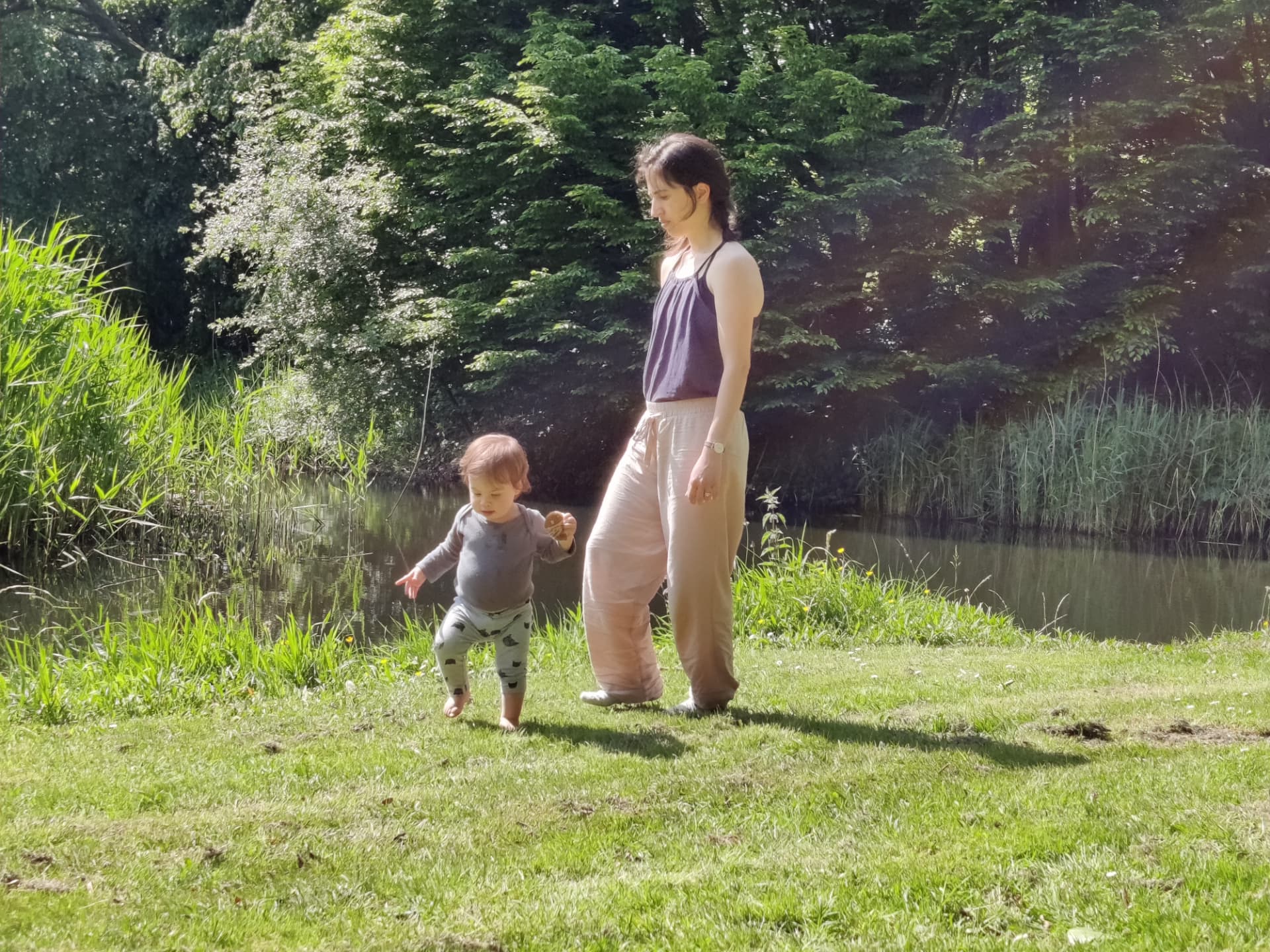
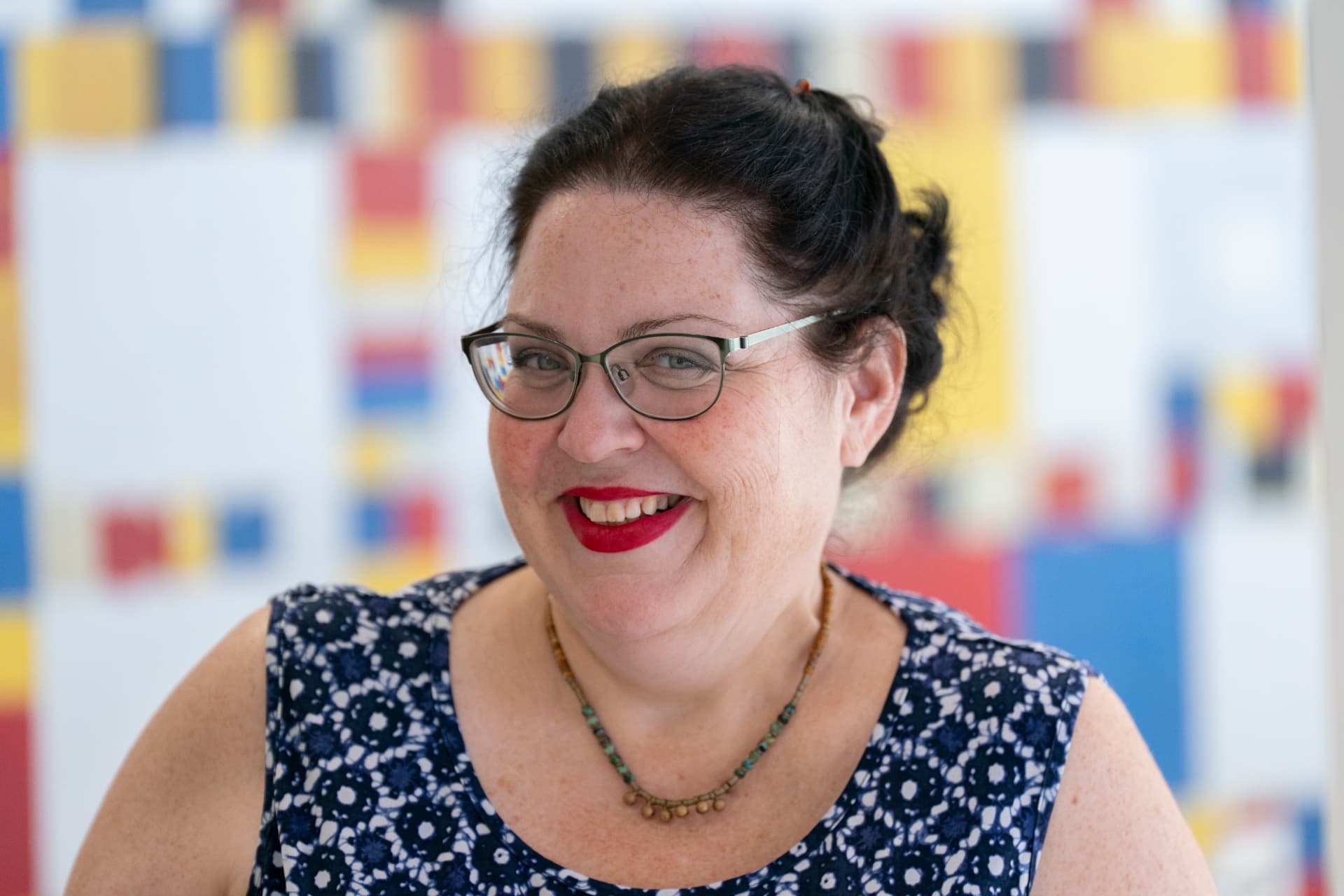
Lihi Engelsman, founder of the Romi Lev Foundation
“I was searching for a group where I would not have to choose between women who understand stillbirth and women who understand what it means to live far from home.”

My name is Lihi. I am the mother of Lucy, Annabel and Romi, and Ben's wife. We moved to the Netherlands in 2019.

On 27 December 2025, Romi was born without signs of life when I was 34 weeks pregnant. She was meant to join our family as Lucy and Annabel's little sister, but instead of bringing her home, we had to say goodbye to her.

Lihi Engelsman
Mother of Lucy, Annabel and Romi Founder of the Romi Lev Foundation
Language, culture and connection

Why a support group in Hebrew?

Some things are easier to say in your own language, with women who understand the context without needing explanations. Romi Lev Foundation groups are open to Israeli and Hebrew-speaking women living outside Israel.

Illustration of a speech bubble with a heart-shaped line inside

Pain in your first language

Speaking in Hebrew, using familiar words and sharing without translating the emotion.

Illustration of two paths that diverge

Cultural understanding

Customs, expectations and family context that need no explaining, even when the care system around you is different.

Illustration of two figures connected by a gentle line

Connection between women

A small group of women who understand the experience, meeting regularly from different places.

Illustration of two overlapping circles

From anywhere

Meeting on Zoom means you can join from home, in any country outside Israel, even when there is no Hebrew group nearby.

Two separate groups

Which group is right for you?

We run two kinds of group. Each is separate, with participants at a similar point in their experience.

Support after stillbirth

A space for women who have experienced stillbirth, with room for loss, longing, and the everyday life that continues alongside them, without needing to explain or justify how you feel.

For women who experienced stillbirth within the past two years.

Support during pregnancy after loss (“rainbow pregnancy”)

A space for women who are pregnant after loss, with room for fear, hope, uncertainty, and the different emotions that may exist together.

Group format

What does a cycle look like?

Sessions take place on Zoom, in Hebrew, so you can join from wherever you are.

sessions
8
sessions
minutes per session
90
minutes per session
participants
Up to 8
participants
for the full programme
€150
for the full programme

Weekly on Tuesdays, 20:00–21:30, Netherlands time · Online via Zoom · In Hebrew

If the cost makes it difficult for you to join, . We will do our best to help.

The start date of the next cycle will be announced.

Committing to a full cycle allows the group to build trust, familiarity and a sense of safety.

Join the waiting list
The space

What kind of space can you expect?

A place where you can talk about what you are experiencing, or simply listen when words are difficult to find. There is no expectation to feel a particular way, move at a particular pace, or leave each session with answers.

There is room for different experiences and feelings, without judgment or comparison. You are welcome to share at your own pace and in the way that feels right for you, alongside women who understand the experience.

The support group does not replace psychological therapy, medical care, or medical advice.

Privacy during sessions

How we protect privacy during sessions, what we store and for how long, and how to ask us to delete it: all the details are set out in the Privacy Policy. We recommend reading it before you register.

Privacy Policy
How joining works

The joining process

  1. 1Join the waiting list and select the relevant group.
  2. 2When a place becomes available in a suitable group, we will contact you to arrange an introductory phone call.
  3. 3The call provides an opportunity to get acquainted, discuss expectations, and consider whether the group is a suitable fit.
  4. 4Following the call and confirmation of suitability, we will send a registration form and payment link.

Joining the waiting list is free and does not guarantee a place in a group.

Leaving the group or transferring to a later cycle

After the first session, you may decide whether the group feels right for you at this time. If you choose not to continue, please let us know before the second session.

After this initial withdrawal point, no refunds will be provided for withdrawal or missed sessions, subject to applicable statutory rights.

If you realise that you are not ready to participate at this time, you may contact us to request a transfer to the next cycle, by arrangement and subject to availability.

Participation and Cancellation Terms
Facilitator

Who facilitates the groups

Noa Barom, facilitator of the Romi Lev Foundation support groups
Noa Barom
Group facilitator at the Romi Lev Foundation

Hello, I'm Noa Barom. I'm married to Kevin (a lovely Scot), mother to Tamar, Rona and Tom, and to Eilon, who lives on in our hearts.

I own The ICCI, an international school of coaching and therapy, and I am a senior coach and supervisor with EMCC Global.

Waiting list

Join the waiting list

We only ask for what we need to contact you and arrange timings. There is no need to share details of your loss or any medical information at this stage.

Joining the waiting list is free and does not guarantee a place in a group.

How we use your information is explained in our Privacy Policy.

Some pain doesn't need translating.

Small online support groups in Hebrew after stillbirth and during pregnancy after loss, for Israeli and Hebrew-speaking women living outside Israel.